How Do Anxiety Doctors Treat Panic Attacks?
By Elite Psychiatry | January 11, 2026
Panic attacks can strike at any moment, leaving you feeling trapped, overwhelmed, and terrified of losing control. Your heart races, your chest tightens, and even the simplest tasks feel impossible. It’s not just stress—it’s a sudden surge of intense fear that can disrupt your daily life.
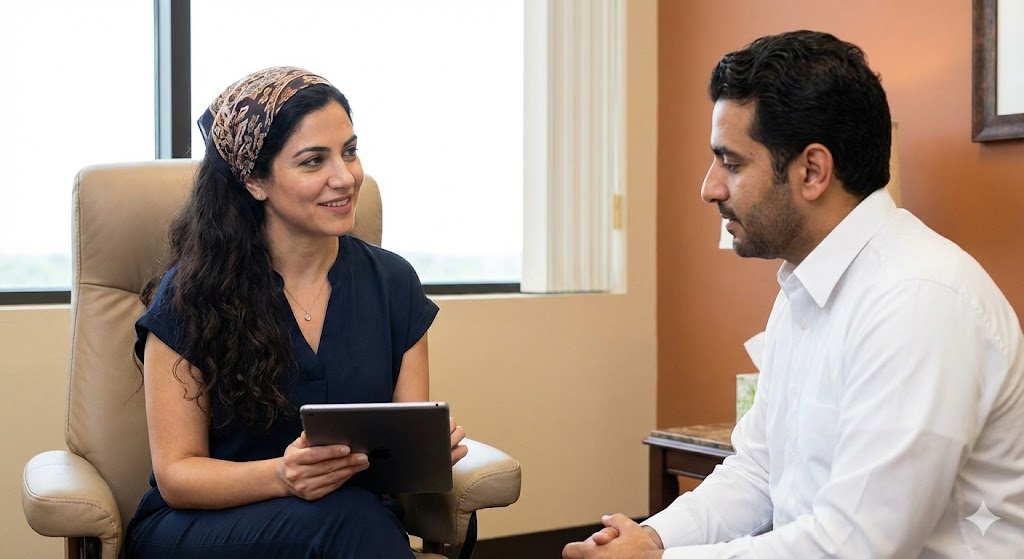
For people in Sugar Land struggling with these episodes, seeking professional help is a game-changer. Anxiety doctors have the tools, techniques, and expertise to treat panic attacks effectively, helping patients regain control over their emotions, bodies, and daily routines.
One center that stands out is Elite Psychiatry Center – Psychiatrist Adult, Child & Adolescent, offering personalized care for all age groups.
Understanding Panic Attacks
Panic attacks are more than just fleeting moments of anxiety. They are intense physical and emotional episodes that often peak within 10 minutes but can leave lingering effects for hours.
The experience can be so overwhelming that many people feel they are having a heart attack or going crazy. Understanding the mechanics of panic attacks is the first step toward managing them effectively.
Symptoms of Panic Attacks
Panic attacks manifest in various ways, both physically and emotionally. Common symptoms include:
- Rapid heartbeat or palpitations
- Shortness of breath or hyperventilation
- Chest tightness or pain
- Trembling or shaking
- Dizziness or feeling lightheaded
- Sweating and chills
- Nausea or stomach discomfort
- A sense of unreality or detachment from surroundings
- Overwhelming fear of losing control or dying
Each symptom can feel alarming, especially if the person has never experienced an attack before. Anxiety doctors teach patients how to recognize these symptoms early and use coping strategies to manage them effectively.
Triggers That Spark Panic Attacks
Triggers vary widely from person to person. Some people experience attacks in stressful environments, crowded places, or social situations. Others may have attacks seemingly out of nowhere, without a clear cause.
Stress, major life changes, traumatic experiences, and certain medical conditions can all contribute. Anxiety doctors help identify these triggers and work with patients to develop strategies to prevent or minimize attacks.
Why Professional Help Matters
Trying to face panic attacks alone can be exhausting and discouraging. Professional care offers guidance, structured treatment, and reassurance that recovery is possible. Anxiety doctors use evidence-based strategies to reduce the frequency and intensity of panic attacks while teaching patients how to respond calmly during an episode.
The Role of Anxiety Doctors
Anxiety doctors specialize in diagnosing and treating panic disorders. They evaluate mental health history, assess symptoms, and create a personalized treatment plan. Their role extends beyond prescribing medications—they also educate patients, teach coping strategies, and support them through challenging moments.
When to Seek Immediate Help
Sometimes panic attacks can escalate to a point that requires urgent medical attention. Seek immediate help if:
- Chest pain resembles heart problems
- Attacks become frequent or severe
- Anxiety leads to thoughts of self-harm or depression
- Symptoms interfere with work, school, or daily life
In Sugar Land, Elite Psychiatry Center – Psychiatrist Adult, Child & Adolescent provides compassionate, timely care for patients experiencing intense panic attacks. Early intervention can prevent attacks from worsening and help patients regain confidence in managing their lives.
Elite Psychiatry Center – Psychiatrist Adult, Child & Adolescent in Grants Lake Tempos
Overview of Services in Sugar Land
Located in the heart of Sugar Land, Elite Psychiatry Center offers comprehensive mental health services for adults, children, and adolescents. Their focus is on reducing panic attacks while improving overall emotional well-being. Services include:
- Individual therapy sessions
- Family counseling
- Medication management
- Mental health assessments
- Customized coping plans
The center emphasizes personalized care, understanding that each patient experiences anxiety differently.
Specialized Approaches for Adults, Children, and Teens
Treatment strategies vary depending on age. Adults often benefit from cognitive therapy, stress management techniques, and medication when necessary. Children and adolescents require approaches that consider school environments, family dynamics, and developmental needs.
Elite Psychiatry Center ensures care is practical, age-appropriate, and highly supportive, giving patients the tools to manage panic attacks in their daily lives.
Common Treatment Methods for Panic Attacks
Anxiety doctors employ multiple strategies, often combining therapy, medication, and lifestyle interventions. This multi-pronged approach addresses both the physical and psychological aspects of panic attacks.
Cognitive Behavioral Therapy (CBT)
CBT is one of the most effective treatments for panic attacks. It focuses on identifying and changing distorted thought patterns that trigger anxiety, helping patients develop healthier responses.
How CBT Works for Panic Disorders
CBT teaches patients to recognize catastrophic thinking and replace it with rational, calming thoughts. For instance, instead of thinking, “I’m going to die,” patients learn to tell themselves, “This is a panic attack; it will pass.”
Practical CBT Techniques Patients Learn
Some key CBT techniques include:
- Cognitive restructuring
- Relaxation training
- Stress exposure exercises
- Journaling and self-monitoring
Patients practice these techniques during sessions and apply them in real-world situations to gain control over their anxiety.
Exposure Therapy
Exposure therapy helps patients gradually face situations or triggers that provoke panic attacks, reducing the fear associated with them.
Gradual Desensitization Explained
Patients start with low-stress scenarios and progressively move to more challenging ones. Over time, repeated exposure helps the brain associate triggers with calm rather than panic. This technique strengthens confidence and reduces avoidance behaviors.
Medication-Based Treatments
Medications can be highly effective, particularly for severe or frequent panic attacks. Anxiety doctors carefully select medications to balance symptom relief with minimal side effects.
Types of Medication Prescribed
- SSRIs (Selective Serotonin Reuptake Inhibitors): Improve mood and reduce anxiety
- Benzodiazepines: Provide short-term relief for acute attacks
- Beta-blockers: Manage physical symptoms like rapid heart rate
How Medications Help Calm Panic Responses
Medications work by altering brain chemistry and calming the nervous system. When combined with therapy, they help reduce attack intensity and prevent recurrence, allowing patients to regain normal functioning.
Lifestyle and Mindfulness Strategies
Daily habits play a crucial role in managing panic attacks. Anxiety doctors often incorporate lifestyle modifications alongside therapy and medications.
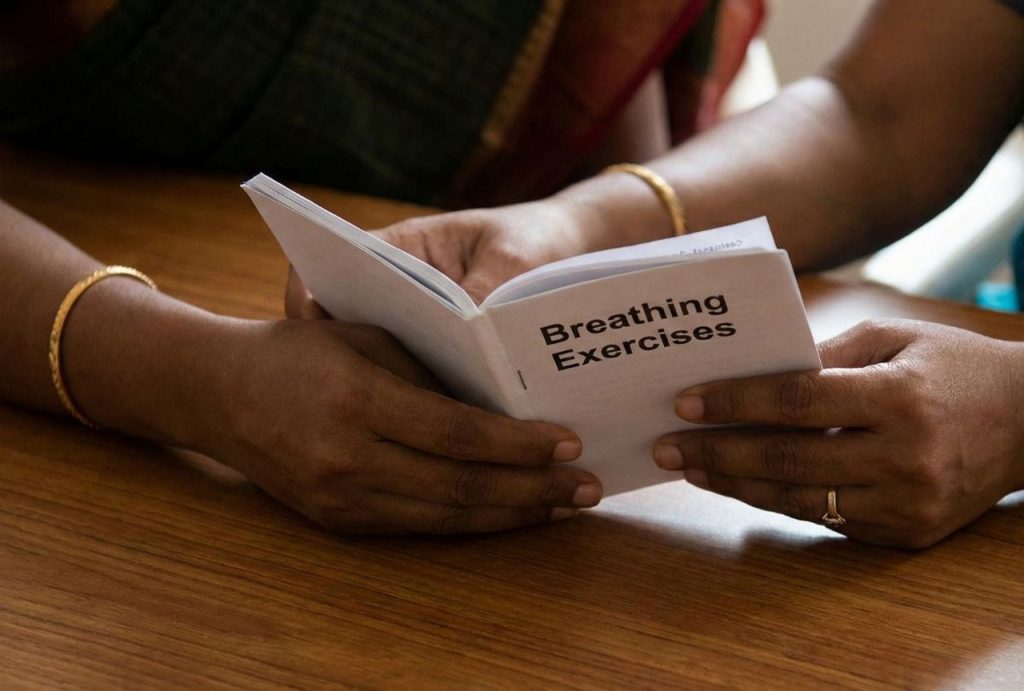
Breathing Exercises and Relaxation Techniques
Deep breathing, guided meditation, and progressive muscle relaxation can immediately calm the body during an attack. Patients learn to ground themselves and regain a sense of control.
Diet, Exercise, and Sleep Management
Regular exercise, balanced nutrition, and quality sleep stabilize mood and lower vulnerability to panic attacks. Limiting caffeine, alcohol, and sugar helps reduce triggers and promotes overall mental health.
Emergency Plans for Panic Attacks
An emergency plan equips patients with tools to manage attacks when they occur, reducing fear and increasing confidence.
Step-by-Step Action Plans
Doctors recommend step-by-step strategies, such as:
- Recognizing early warning signs
- Using grounding techniques (like focusing on surroundings)
- Practicing controlled breathing
- Reaching out for support if necessary
Coping Skills Patients Can Use Daily
Daily coping mechanisms reinforce resilience:
- Journaling emotions
- Practicing mindfulness exercises
- Scheduling short “stress breaks”
- Engaging in regular physical activity
These strategies prevent attacks from escalating and enhance overall well-being.

Working With Anxiety Doctors in Sugar Land
Partnering with a local expert ensures consistent care, accessible guidance, and tailored treatment.
What to Expect During Your First Visit
The first visit usually includes:
- Comprehensive mental health evaluation
- Discussion of panic attack history and triggers
- Personalized treatment plan, combining therapy, medication, and coping strategies
- Goal setting for short-term and long-term outcomes
Follow-Up and Long-Term Care
Regular follow-ups help doctors track progress, adjust treatments, and reinforce coping techniques. Long-term care prevents relapses, supports emotional growth, and helps patients maintain stability in their daily lives.
Success Stories and Patient Experiences
Many patients report significant improvements after months of treatment. Common outcomes include:
- Reduced frequency and intensity of panic attacks
- Increased confidence in social and work environments
- Enhanced coping abilities during stressful situations
- Greater overall quality of life
These experiences highlight the effectiveness of combining professional therapy, medication, and lifestyle adjustments.
Elite Psychiatry Center – Psychiatrist Adult, Child & Adolescent Serving the Grants Lake Tempos Community and Beyond in Sugar Land
Elite Psychiatry Center – Psychiatrist Adult, Child & Adolescent is dedicated to serving the diverse needs of the local community of Sugar Land, including individuals residing in neighborhoods like Grants Lake Tempos. With its convenient location near landmarks such as the Montessori Reggio Academy of Sugar Land and major intersections like Lexington Blvd & Cordes Dr (coordinates: 29.595265381985172, -95.61639927640674), we offer anxiety doctors Sugar Land services.
Get Anxiety Doctors Services at Grants Lake Tempos Now
Navigate from Grants Lake Tempos to Elite Psychiatry Center – Psychiatrist Adult, Child & Adolescent Now
Regain Control Over Your Life with Expert Care
Panic attacks can feel unmanageable, but professional care changes that narrative. Anxiety doctors guide patients with personalized therapy, effective medications, and practical coping strategies.
In Sugar Land, Elite Psychiatry Center – Psychiatrist Adult, Child & Adolescent provides expert care for adults, children, and adolescents, addressing panic attacks with precision and compassion. Seeking help early not only reduces attack severity but also empowers patients to reclaim their lives.
Don’t let panic attacks define your days—reach out to trained professionals and take the first step toward relief and control.
FAQs
1. How quickly can therapy reduce panic attacks?
Many patients notice improvements within a few weeks, but consistent therapy over several months often leads to lasting change.
2.Are panic attack medications addictive?
Some medications, like benzodiazepines, can be habit-forming if used long-term. Doctors monitor usage closely to minimize risks.
3.Can children experience panic attacks?
Yes. Children may show intense fear, stomachaches, or rapid heartbeat. Specialized therapy helps children manage and understand their anxiety.
4.How do doctors choose the right treatment?
Treatment depends on age, severity, triggers, and patient preferences. Anxiety doctors combine therapy, medication, and lifestyle strategies for a personalized plan.
5.Can lifestyle changes alone stop panic attacks?
Lifestyle modifications help reduce frequency and intensity but work best alongside therapy and/or medication for full recovery.
“From mental health heredity to fostering understanding and support, our guidance spans generations. We’re here to assist with every aspect of mental health.”
Or Call Us Now!
(346) 207-2479
Other Blogs
How Psychiatrists Use CBT for Insomnia Treatment
Insomnia is a common sleep disorder affecting millions of adults and children, leading to difficulty falling asleep, staying asleep, or experiencing restorative sleep. Poor sleep can significantly impact mood, cognitive function, and overall health. Psychiatrists often turn to evidence-based treatments such as Cognitive Behavioral Therapy (CBT) to help patients manage and overcome insomnia effectively. At…Benefits Of Choosing A Psychiatrist That Accepts Insurance
Mental health challenges can quietly affect every part of life—how you think, how you feel, how you relate to others, and how you function day to day. Anxiety may make simple decisions feel overwhelming. Depression can drain motivation and joy. ADHD can disrupt focus and productivity. Emotional distress in children and adolescents can show up…Does Unitedhealthcare Cover Medication Management For Depression?
Depression has a way of quietly taking over daily life. It doesn’t always announce itself with dramatic symptoms. Instead, it shows up as exhaustion that won’t lift, motivation that feels out of reach, or a sense that you’re just going through the motions. When you finally consider professional help, practical concerns—especially insurance—often become the biggest…