What Skills Reduce Anxiety Outside Treatment Sessions?
By Elite Psychiatry | January 15, 2026
Anxiety doesn’t only show up in therapy sessions, it follows you to work, school, social events, and even quiet evenings at home. Learning practical skills to manage anxiety outside treatment sessions gives you more control over your mind and body.
With consistent practice, these tools help you respond to stress effectively, reduce anxious episodes, and feel grounded in everyday life. Let’s explore a comprehensive set of skills that work anywhere, anytime.

Understanding Anxiety Beyond Therapy
Anxiety can feel like a shadow, showing up unexpectedly and influencing your thoughts, feelings, and behaviors. Recognizing how anxiety manifests in your daily life is the first step toward managing it outside therapy.
How Anxiety Shows Up Daily
Anxiety can appear in subtle ways, like shallow breathing, fidgeting, or tension in your shoulders. Sometimes it’s more obvious, such as panic attacks, racing thoughts, or sleep difficulties. Physical symptoms like a racing heart, sweating, and stomach discomfort are also common. By noticing these early warning signs, you can intervene before anxiety escalates.
Why Skills Matter Outside the Clinic
Therapy sessions are time-limited. The real challenge comes when triggers arise at work, school, or home. Skills practiced outside sessions allow you to respond in real-time instead of waiting for guidance. They also reinforce what you learn in therapy, helping you build lasting resilience.
Breathing Techniques That Calm the Mind
Breathing is one of the simplest yet most effective tools for managing anxiety. Controlled breathing sends a message to your nervous system that it’s safe to relax.
Diaphragmatic Breathing
Diaphragmatic breathing involves deep breaths using your diaphragm rather than shallow chest breathing. Sit or lie comfortably, place one hand on your chest and the other on your belly. Inhale slowly through your nose, letting your belly rise.
Exhale gently, letting your belly fall. Repeat for 5–10 minutes. This technique lowers heart rate, reduces tension, and promotes a sense of calm.
Box Breathing
Box breathing provides structure for your breath, helping distract your mind from anxious thoughts. Inhale for 4 counts, hold for 4 counts, exhale for 4 counts, and hold for 4 counts. Repeat for several rounds. This rhythmic breathing activates the parasympathetic nervous system, reducing stress and promoting mental clarity.
Mindfulness and Meditation Practices
Mindfulness teaches you to stay present instead of ruminating on the past or worrying about the future. Meditation reinforces this skill and can be practiced anywhere.
Short Mindfulness Exercises
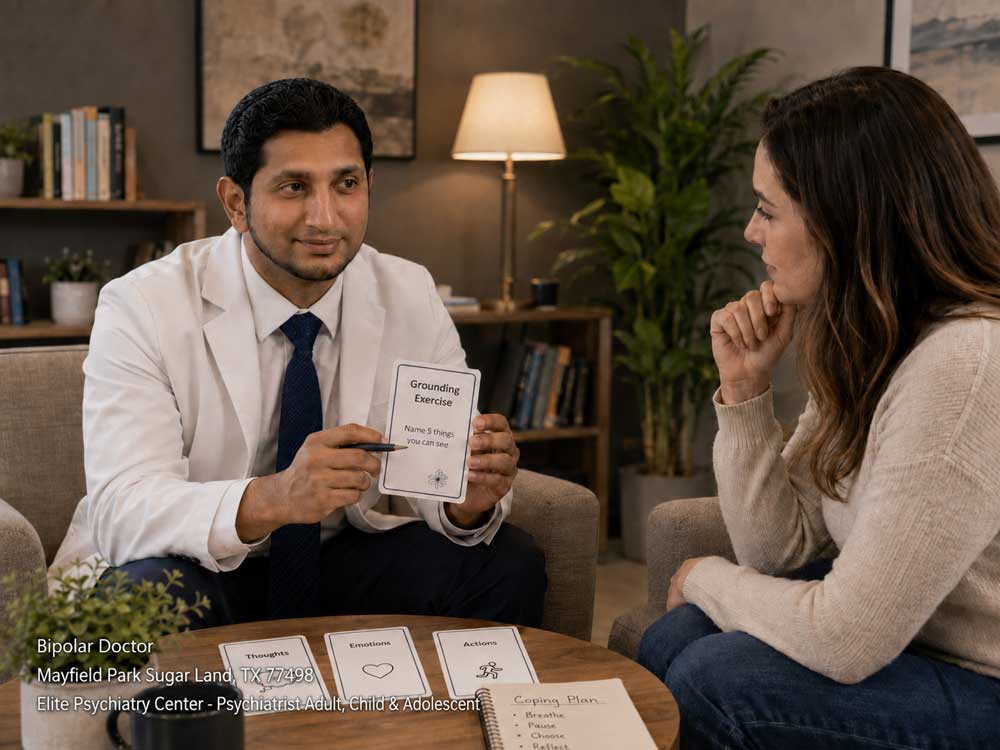
Even one-minute exercises can help. Focus on sensations like the feeling of your feet on the ground or the sounds around you. Mindful breathing or noticing five things in your environment engages your attention and reduces anxious thought loops.
Guided vs Unguided Meditation
Guided meditations, often available through apps or online videos, give structure for beginners. Unguided meditation offers flexibility once you’re more comfortable, allowing you to sit quietly and observe your thoughts without judgment. Regular meditation improves focus, reduces stress hormones, and strengthens emotional regulation.
Physical Activity as a Stress Outlet
Exercise not only improves physical health but also has profound effects on anxiety. It releases endorphins, improves sleep, and lowers muscle tension caused by stress.
Aerobic Exercises
Running, swimming, cycling, or even brisk walking increases heart rate and helps regulate your stress response. Just 20–30 minutes a day can reduce anxiety symptoms and boost mood.
Strength Training and Yoga
Strength training builds confidence and a sense of accomplishment. Yoga combines movement, stretching, and breathwork, promoting both physical and mental relaxation. Gentle stretching releases muscular tension, while poses encourage mindfulness and balance.
Cognitive Skills for Managing Anxious Thoughts
Anxiety often grows when thoughts become distorted. Learning cognitive skills can help you identify and challenge these patterns.
Identifying Cognitive Distortions
Cognitive distortions are patterns of negative thinking, like catastrophizing, overgeneralizing, or black-and-white thinking. Identifying them allows you to step back and evaluate thoughts more realistically.
Reframing Negative Thoughts
Once you notice negative patterns, reframe them. For example, instead of thinking, “I can’t handle this,” you can say, “I’ll take this one step at a time.” This subtle shift reduces anxiety and encourages problem-solving rather than panic.
Journaling for Thought Clarity
Journaling allows you to express thoughts and emotions safely. Writing down worries provides perspective, uncovers patterns, and reduces mental clutter. Daily journaling, even for five minutes, can help you track triggers and monitor progress.
Social and Communication Skills
Anxiety thrives in isolation. Strengthening social skills and nurturing relationships can create a buffer against stress.
Building a Support Network
Having friends, family, or support groups you trust provides emotional relief. Talking to someone who listens without judgment can reduce feelings of loneliness and help you gain perspective.
Assertive Communication
Assertive communication helps you express needs clearly and respectfully, preventing misunderstandings and resentment. Practicing phrases like, “I need some quiet time to recharge,” or “I feel anxious when plans change suddenly” strengthens self-expression and reduces social anxiety.
Time and Task Management Skills
Feeling overwhelmed often worsens anxiety. Organizing tasks and managing time effectively can reduce this burden.
Planning and Prioritization
Use a planner, calendar, or digital app to set priorities. Clarifying which tasks are most important and breaking them into manageable steps prevents feeling trapped under a mountain of responsibilities.
Breaking Tasks Into Small Steps
Large tasks can seem insurmountable. Breaking them down into smaller steps, such as writing a report in sections or tackling household chores one at a time, makes them more manageable and less stressful.
Relaxation and Visualization Techniques
Relaxation techniques calm the nervous system and shift focus away from anxious thoughts.
Progressive Muscle Relaxation
Tense each muscle group for a few seconds, then release. Move from your toes to your head. This method reduces muscle tension and promotes a deep sense of relaxation, helping to combat anxiety physically and mentally.
Mental Imagery for Calm
Visualization involves imagining a peaceful or safe place, engaging all senses. Picture the sights, sounds, smells, and textures of your sanctuary. Mental imagery lowers stress and trains your brain to associate calm with visualization.

Nutrition and Lifestyle Choices
Your lifestyle significantly affects your anxiety levels. Thoughtful nutrition and daily habits can help regulate your mood.
Foods That Support Mental Health
Leafy greens, fatty fish, nuts, seeds, and whole grains support brain function. Avoid excessive caffeine and sugar, which can spike stress and exacerbate anxiety symptoms.
Sleep Hygiene and Consistent Routines
Aim for consistent sleep and wake times, limit screens before bed, and create a calming nighttime ritual. Adequate sleep stabilizes mood, improves focus, and reduces stress hormone levels.
Using Creative Outlets to Reduce Anxiety
Engaging in creative activities allows for emotional expression and provides a healthy distraction from anxious thoughts.
Art, Music, and Writing
Activities like painting, playing an instrument, or writing allow emotions to flow safely and constructively. These outlets provide a therapeutic release that helps you process stress.
Hobbies That Encourage Flow
Flow activities, such as knitting, woodworking, or gardening, fully engage attention and create a state of deep absorption, where anxiety fades into the background.
When to Seek Extra Support
Self-help skills are powerful, but sometimes professional guidance is necessary.
Recognizing Warning Signs
Warning signs include frequent panic attacks, persistent insomnia, inability to function at work or school, and escalating stress responses. A professional evaluation can prevent complications.
How Elite Psychiatry Center – Psychiatrist Adult, Child & Adolescent near Hwy 90a Commercial Park Can Help
How Elite Psychiatry Center – Psychiatrist Adult, Child & Adolescent in Sugar Land provides tailored support for adults, children, and adolescents. Professionals there teach coping strategies, monitor progress, and adjust interventions to suit individual needs. Combining professional guidance with skills practiced outside sessions amplifies their effectiveness.
Daily Integration: Making Skills a Habit
Consistency is key. The more you practice anxiety-reducing skills, the more automatic they become.
Creating Small Daily Rituals
Incorporate short, manageable practices into your routine: morning breathing exercises, a midday walk, or evening journaling. Rituals ensure skills become part of your lifestyle rather than occasional tools.
Tracking Progress and Adjusting Techniques
Keep a log of what works and what doesn’t. Note triggers, responses, and outcomes. Adjust techniques as needed. Over time, even small improvements accumulate into significant progress in managing anxiety.
Elite Psychiatry Center – Psychiatrist Adult, Child & Adolescent Serving the Hwy 90a Commercial Park Community and Beyond in Sugar Land
Elite Psychiatry Center – Psychiatrist Adult, Child & Adolescent is dedicated to serving the diverse needs of the local community of Sugar Land, including individuals residing in neighborhoods like Hwy 90a Commercial Park. With its convenient location near landmarks such as the Epicenter Church and major intersections like Hwy 90 Alt & S Texas 6 (coordinates: 29.61325111141015, -95.65260188782676), we offer anxiety treatment Sugar Land services.
Get Anxiety Treatment at Hwy 90a Commercial Park Now
Navigate from Hwy 90a Commercial Park to Elite Psychiatry Center – Psychiatrist Adult, Child & Adolescent Now
Mastering Anxiety Beyond the Therapy Room
Anxiety outside therapy sessions doesn’t have to control your life. By combining breathing exercises, mindfulness, physical activity, cognitive strategies, social support, lifestyle adjustments, and creative outlets, you can build a comprehensive toolkit to manage daily stress.
Integrating these strategies consistently, along with professional guidance from Elite Psychiatry Center – Psychiatrist Adult, Child & Adolescent in Sugar Land, empowers you to reduce anxiety, improve daily functioning, and regain control over your mental health.
FAQs
1.How often should I practice these skills?
Daily practice, even for a few minutes, is more effective than occasional, long sessions. Consistency builds resilience over time.
2.Can physical activity alone reduce anxiety?
Exercise helps significantly, but combining it with mindfulness, breathing, and cognitive strategies offers stronger, long-term relief.
3.How do I know which skill works best for me?
Experiment with different techniques and track their impact. Everyone’s anxiety triggers and coping preferences differ.
4.Are these skills safe for children and adolescents?
Yes, many techniques can be adapted for younger individuals, but consulting a professional ensures age-appropriate guidance and effectiveness.Can anxiety be completely eliminated using these skills?
Anxiety may not disappear entirely, but these skills reduce intensity, frequency, and the impact on daily life, making it more manageable.
5. Can anxiety be completely eliminated using these skills?
Anxiety may not disappear entirely, but these skills reduce intensity, frequency, and the impact on daily life, making it more manageable.
“From mental health heredity to fostering understanding and support, our guidance spans generations. We’re here to assist with every aspect of mental health.”
Or Call Us Now!
(346) 207-2479
Other Blogs
5 Mistakes People Make When Finding a UnitedHealthcare Depression Doctor
Finding the right UnitedHealthcare depression doctor can make it easier to get the care you need without unexpected costs or delays. A good search should consider experience, treatment options, availability, and fit. It also helps to check insurance coverage, provider credentials, and the type of care offered before scheduling an appointment. Avoiding common mistakes can…5 Things a Bipolar Doctor Wants You to Stop Believing
If you’re searching for a bipolar doctor, you may be questioning advice you’ve heard for years. Bipolar disorder isn’t simply being moody, and it isn’t a character flaw. It’s a treatable condition involving episodes of mania or hypomania and depression. At Elite Psychiatry Center – Psychiatrist Adult, Child & Adolescent, care focuses on symptoms, safety,…3 Things a Depression Psychiatrist Uncovers That Surprise Most Patients
Depression can look different from what many people expect. Some patients think it always means feeling sad, crying often, or losing hope. A depression psychiatrist looks deeper. They examine changes in mood, sleep, energy, focus, behaviour, and daily life. For people seeking care in Mayfield Park, these findings can change how they understand depression and…